Why Mulch Makes Gardening Easier: 5 Essential Tips for Beginners
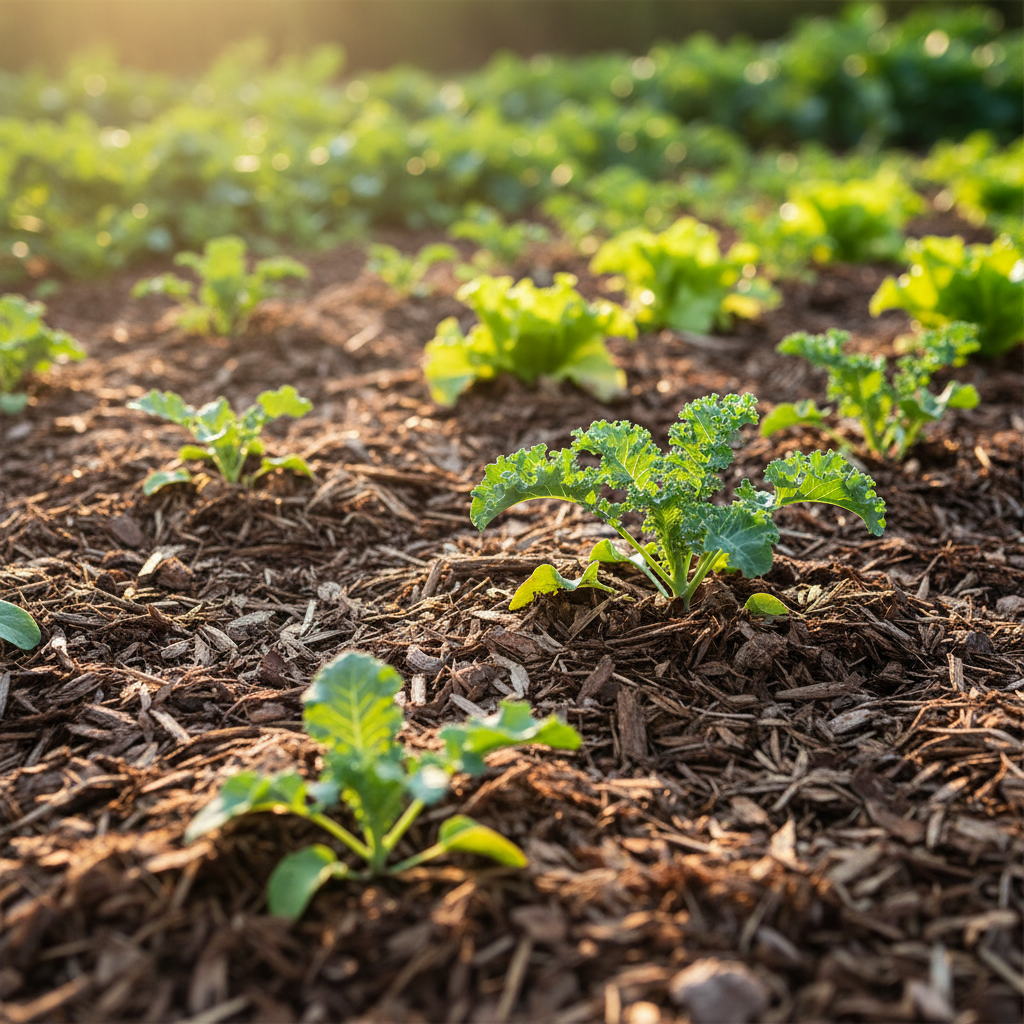
Why Mulch is the Ultimate Time-Saver for Busy Gardeners
I’ve noticed that the biggest hurdle for new gardeners isn't the planting—it’s the maintenance. We all start the season with high hopes, but by July, the heat and the weeds often start to win. After years of trial and error, I found the one "secret" that changed everything: a thick layer of mulch.
If you are looking for garden planning tips to simplify your routine, mulching should be at the top of your list. Here is why this simple step makes gardening so much easier.
1. It Acts as a Natural Weed Barrier
The most time-consuming part of gardening is weeding. Most weed seeds need light to germinate; by covering your soil with mulch, you effectively "turn off the lights" for those pesky intruders. While it won't stop 100% of weeds, it keeps the vast majority from ever sprouting, saving you hours of back-breaking work.
2. Drastically Reduces Watering Needs
Mulch acts like a lid on a pot. Without it, the sun hits the bare soil and evaporates moisture almost instantly. With a 2- to 3-inch layer of organic material, the water stays in the ground where your plants' roots can actually reach it. I’ve found that mulched beds often need half as much watering as bare ones, even in the peak of summer.
3. Stabilizes Soil Temperature
Plants, especially vegetables like tomatoes and peppers, hate "cold feet" or overheating. Mulch acts as insulation. It keeps the soil cooler during blistering heat waves and holds onto warmth when the evening temperature drops. This stability helps your plants grow faster and produce more food because they aren't constantly stressed by weather swings.
4. Improves Soil Quality Over Time
If you use organic mulch (like straw, shredded leaves, or wood chips), it slowly breaks down into the earth. This process feeds beneficial soil microbes and adds nutrients back into the dirt. Essentially, you are composting in place while you go about your day.
5. Prevents Soil Erosion and Splashing
Heavy rain can wash away your expensive topsoil or splash soil-borne diseases onto your plant leaves. A layer of mulch breaks the fall of the raindrops, protecting the structural integrity of your garden beds and keeping your foliage cleaner and healthier.
Plan Your Garden Success
Don't let the summer heat catch you off guard. Integrating mulch into your early-season setup is the best gift you can give your future self. It’s the difference between a garden that feels like a chore and one that feels like a retreat.
Ready to get organized? Use a [garden planner](/garden-planning-basics) to track which mulch works best for your specific crops and stay ahead of the season.
Save this post to your Pinterest boards and start planning your easiest garden yet!
Save this and plan your garden with the CozyGrow Journal!
Start planning your garden →