Why Your Seedlings Are Getting Leggy: 4 Fixes for Stronger Starts
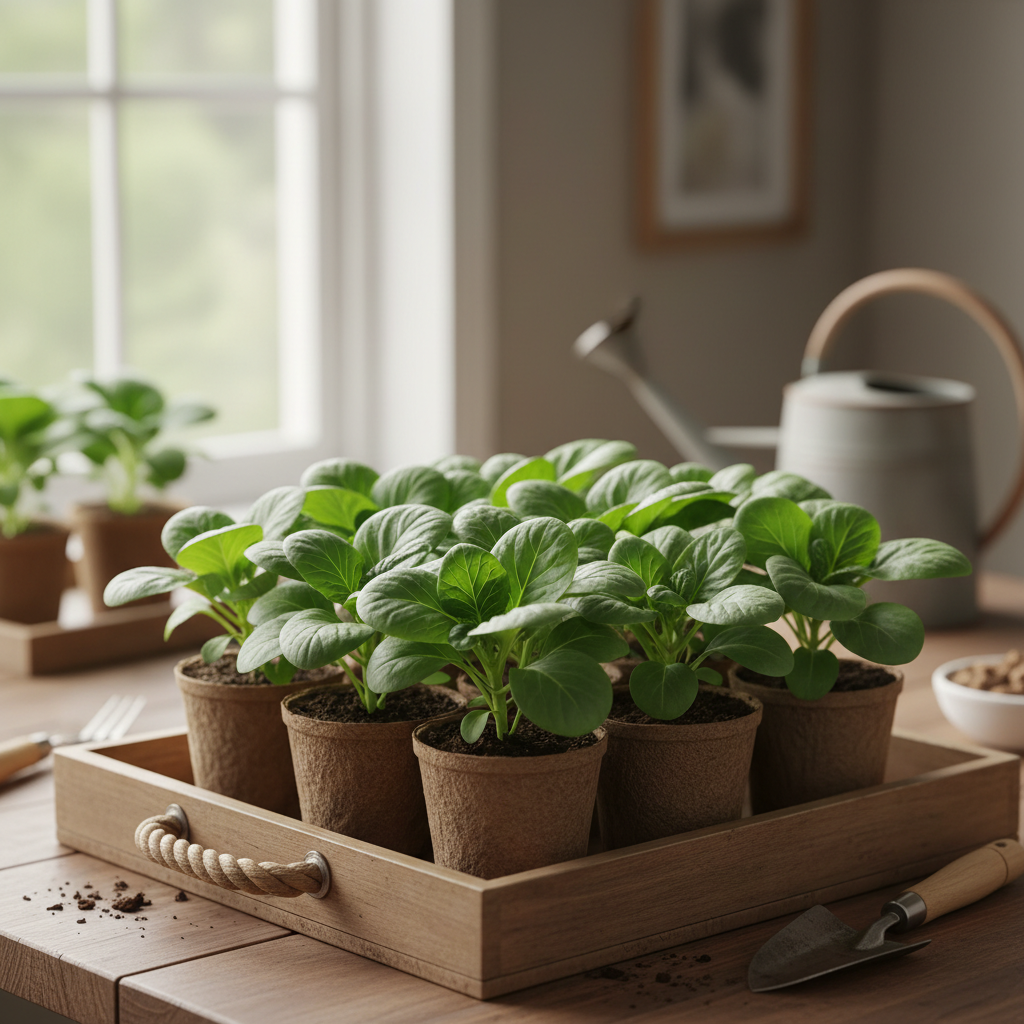
Starting seeds indoors is one of the most exciting parts of the early spring season, but it can quickly become frustrating when those tiny green sprouts turn into tall, thin, floppy stems. I’ve noticed that many beginner gardeners assume their pale, stretching plants are just growing fast—but in reality, they are struggling.
If your plants look like they are about to tip over, you likely have "leggy" seedlings. The main takeaway to remember is that leggy seedlings usually need more light, not more water. Here are the top four reasons your seedlings are stretching and how to fix them for a stronger start.
1. Increase Your Light Intensity
The number one cause of leggy growth is a lack of light. When plants don't get enough photons, they physically stretch their stems to "reach" for the nearest light source. Even a bright southern window often isn't enough for tiny seedlings in late winter.
- The Fix: Use a dedicated grow light and keep it just 2–3 inches above the tops of the plants. Move the light up as they grow to maintain that close distance.
2. Check the Temperature
While heat mats are great for germination, keeping seedlings too warm after they’ve sprouted can lead to rapid, weak growth. High temperatures cause the plant to prioritize height over stem thickness.
- The Fix: Once your seeds have sprouted, remove them from the heat mat and keep them in a slightly cooler room (around 65-70°F) to encourage sturdier stems.
3. Provide Air Circulation
In nature, seedlings are exposed to wind, which creates micro-stresses that signal the plant to strengthen its "trunk." Without any air movement indoors, seedlings have no reason to build thick cell walls.
- The Fix: Place a small oscillating fan near your seed trays for 15-30 minutes a day. This gentle breeze mimics nature and results in much stronger seedlings.
4. Don't Oversaturate
I’ve noticed many beginners reach for the watering can when they see their seedlings drooping. However, too much water can actually weaken the root system, making it harder for the plant to support itself.
- The Fix: Bottom-water your trays so the roots grow downward, and always allow the top inch of soil to dry out slightly between waterings.
Track Your Progress
Correcting leggy growth is all about experimentation. By using a seed starting tracker, you can note which light heights and temperatures worked best for specific varieties. This prevents early setbacks and ensures you have healthy transplants ready for the garden.
Ready to grow your strongest garden yet? Keep all your seed starting dates, light schedules, and variety notes in one place with our printable garden journal.
Shop the CozyGrow Garden Planner & Journal here.
Track your seedling progress in our CozyGrow Garden Journal!
Start planning your garden →